Showing posts with label essential oils. Show all posts

Thursday, February 28, 2013

Lavender Aromatherapy May Prevent Falls in the Elderly


Families of the elderly live in fear of an accidental fall of their loved one, which often means a broken hip and the beginning of the slide downhill to death.  As people age, they encounter risk factors like “physical weakness, gait and balance instability, sedating and psychotropic medications, and cognitive impairment”.1  Thus, falls are a major health problem in the elderly.

Researchers at the Tohoku University Graduate School of Medicine in Sendai, Japan, tested the effects of lavender olfactory stimulation intervention on the incidence of falls in elderly nursing home residents.

Three nursing homes were randomly selected in northern Japan, where 145 residents over the age of 65 were tested. The residents received either a lavender patch for continuous olfactory stimulation or a placebo unscented patch.

Before we get into this Japanese study, we need to take an in-depth look at the idea of lavender as an olfactory stimulation. Lavender is known to be calming and sedating. 2, 3 The fact that it can also be a stimulant is confusing, unless you realize that lavender is an adaptogen. It adapts to what the body is most in need of and then supplies it.

Several studies demonstrate lavender’s energizing and stimulating effects. In research conducted by Yamanashi Prefectural University, also in Japan, researchers analyzed three groups during a recess from work sessions: a placebo group not exposed to aroma, a group exposed to jasmine aroma, and a group exposed to lavender aroma. Not surprisingly, it was found that concentration was lowest in the afternoon period, when afternoon drowsiness is strongest. The lavender group had significantly higher concentration levels during this drowsy time period than the control group. No effect was found for the jasmine group. The study concludes, “Although lavender is a sedative-type aroma, use during recess periods after accumulation of fatigue seems to prevent deterioration of performance in subsequent work sessions.” 4

Now back to the study mentioned in the beginning of this article that used lavender aromatherapy for the elderly in nursing homes. One hundred forty-five patients 65 years of age and older were either given an unscented placebo patch or a lavender-scented patch. The primary outcome measured was resident falls. 5

There were fewer falls in the lavender group and a lower incidence rate of falls in this group as well.

Conclusion? “Lavender olfactory stimulation may reduce falls in elderly nursing home residents: further research is necessary to confirm these findings.”6

References
  1. “Lavender Aromatherapy Reduces Falls in Elderly Nursing Home Residents”. Herb Clip, November 30, 2012.
  2. Sayorwan W, et al. “The effects of lavender oil inhalation on emotional states, autonomic nervous system, and brain electrical activity”. J Med Assoc Thai. 2012 Apr;95(4):598-606.
  3. Hongratanaworakit T. “Aroma-therapeutic effects of massage blended essential oils,” Nat Prod Commun. 2011 Aug6(8):1199-204.
  4. Sakamoto R, et al. “Effectiveness of aroma on work efficiency: lavender aroma during recesses prevents deterioration of work performance”, Chem Senses. 2005 Oct;30(8):683-91.
  5. Sakamoto Y, et al. “Fall prevention using olfactory stimulation with lavender odor in elderly nursing home residents: a randomized controlled study,” J Amer Geriatr Soc. 2012Jun;60(6):1005-11.
  6. Ibid.

(from The Essential Edge News, Volume 3.2 Feb. 2013)

Saturday, October 27, 2012

Herbal Ear Oil Recipe for Ear Infections That You Can Make At Home

Here's a recipe you can make to help with ear infections this coming cold season - from the website Frugally Sustainable


Herbal Ear Oil Recipe
Ingredients
4 ounces good-quality, organic olive oil
0.25 ounce dried mullein flowers
0.25 ounce dried garlic
10 drops tea tree oil
10 drops eucalyptus essential oils
5 drops lavender essential oils

Method
1. Make an herb-infused oil with the dried mullein flowers and garlic. Click here and read this article for detailed instructions on creating an herb-infused oil.
2. To your mullein flower and garlic infused oil, add the essential oils of tea tree, eucalyptus, and lavender. (available at my website:  www.youngliving.com/laurasoils).
3. Fill dark glass dropper bottles full of the medicinal oil. I like these 1 ounce or 2 ounce size bottles.
4. Because cold oil applied to the ear will often increase the pain, always warm the oil to body temperature by placing the bottle in warm water before application.
5. Instill 2-5 drops in the ear three times daily.
6. For best results — and for the highest level of pain relief – follow the application of ear oil with a 10 minute warm compress. A gentle massage behind and below the ear using this recipe for lavender oil will aid in pain relief as well.
7. This oil should keep for 6-12 months in a cool, dark place. Feel free to add a few drops of vitamin E oil in order to extend it’s shelf life.

Please note: It is always best to have the ear drum physically inspected by a licensed health care practitioner prior to applying this or any herbal ear oil.  Ear infections can cause hearing loss and deafness if left untreated.

Where Can I Get This Stuff?
-Mountain Rose Herbs…they have everything (dried herbs, essential oils, and the cute little dark glass dropper bottles) you’ll need for this remedy! It’s your one-stop-shop!
-The Bulk Herb Store also carries many of these ingredients if you’d like to price check.

Now it’s your turn…what all-natural remedies do you use for ear infections?

Friday, October 26, 2012

Thyme Out for Colds, Flu, and Other Organisms by Willow Tohi


Thyme out for colds, flu, and other organisms
by Willow Tohi


(NaturalNews) Another member of the labiatae, or mint, family, thyme is an herb native to the Mediterranean basin and comes in many varieties. There is only one plant, thymus vulgaris, but the composition of the oil distilled from the plant shows variations in chemical components based on the location or region the plant grows in, despite being botanically identical. The microbial power of thyme is so powerful that some oils are safe to use in all situations, and some are not. Thymus vularis ct. linalol is the best oil for beginners to use and it is the safest to use on the skin, in baths, and on children and the elderly. Other chemotypes (ct) such as thymus vulgaris ct. thujanol, thymus vulgaris ct. thymol, and thymus vulgaris c.t carvacrol should be left to qualified aromatherapists. Thyme is one of the most used and most useful oils in aromatherapy, but always use thyme oil with care, in moderation.

Thyme has remarkable antiviral, bactericidal, fungicidal, antibiotic, diuretic, antispasmodic, expectorant, and antiseptic properties that make it wonderful to have around during cold and flu season. In addition to killing microbes, thyme helps the body to eliminate toxins and boosts the immune system by supporting the formation of white blood cells, increasing resistance to invading organisms. Its familiar, warm, herbaceous aroma is powerful and penetrating, and the origin of its name, which comes from the Greek word 'thymos' meaning 'to perfume.'
The history of thyme
Thyme has a long and fascinating history. Used by all the early civilizations of the Mediterranean as a medicinal plant, both Hippocrates and Dioscorides described its uses in their writings. The ancient Egyptians used it for embalming. The ancient Greeks burned it as an incense in their temples and used it in their baths for courage. The Romans brought the herb to Europe, and used it to purify their rooms and give 'aromatic flavor' to cheese and liqueurs. In the Middle Ages, thyme was placed in bedrooms to ward off nightmares, given to knights for courage, taken into courtrooms to ward off diseases, and used at funerals to assure safe passage to the afterlife. Before modern antibiotics, thyme was used to medicate bandages.

Thyme is an easy to grown perennial shrub that can tolerate hot, sunny places well. It has long been used as a culinary herb. It delays the putrefaction of meat, a very useful trait in warm climates before refrigeration. Studies in modern times have verified this use with tests that prove adding essential oil of thyme slowed the proliferation of bacteria, preserving the food for an additional three days. Ingesting thyme also stimulates the digestive system and serves as an intestinal antiseptic.
Health benefits throughout thyme
Other traditional uses of thyme include the treatment of respiratory infections. An excellent pulmonary disinfectant, thyme is useful against flus, colds, sore throats, asthma, catarrh, coughs, laryngitis, whooping cough, and bronchitis. Inhale for nose, throat, and chest infections; for mouth and gum infections (such as thrush, gingivitis), use in toothpaste or mouthwash/gargle. As little as a .1 percent solution is effective. After a study in Germany, many researchers believe the effectiveness of cough medicines is due to the exhalation (after swallowing) of the local action of the essential oil on the respiratory tract. (essential oil available at Laura’s website: www.youngliving.com/laurasoils).  Extensive research has shown the effectiveness of essential oils, including thyme, as expectorants and to increase mucus secretions to relieve dry coughs. Inhalation in small amounts worked best; too strong has the opposite effect. Inhaled treatments are especially effective when treating chronic infections that linger in the sinuses.

Thyme is used as a remedy for physical and psychological weakness, and still is today. Useful for regaining strength after illness, chronic fatigue, or depression it can also be used to help insomnia as its effects are balancing. It stimulates circulation, aids concentration, raises blood pressure that is too low, and has even been thought to increase intelligence and memory. It revives, strengthens, and balances both mind and body.

The essential oil of thyme is antibacterial, acting on the bacteria's enzymes. As such, it has been used in soapy solutions for disinfecting hands before surgery, being a stronger antiseptic than most used in hospitals. Thyme can destroy staphylococcus at a dilution of 1,000 times. A study in
France showed thyme to be among several essential oils that were found to destroy 90 percent of microbes within three hours, when used in a vaporizer. It deodorized the air and purified it from proteus, staphylococcus, streptococcus, and cryptococcal.

Additional uses include:

• Thyme is useful on infections of the urinary tract and bladder, and also acts as a diuretic, increasing its effectiveness

• Also use for candida and vaginitis

• Use to kill nail fungus

• Thyme is an ingredient in natural hand sanitizers

• Add thyme to a hot compress to relieve rheumatic pain, muscular aches and pains, sprains, sports injuries, sciatica, arthritis, gout

• Crush the fresh herb or use diluted oil as first aid on insect bites and stings

• Use on athlete's foot. For this use, you can apply the oil neat, or undiluted, but protect the skin with some fatty cream. Other neat applications include animal bites and boils.

• Use a one percent solution as an antibacterial wash for fresh produce

• Use in hair and skin care regimes, as a hair tonic or in a face wash and for treatment of things like acne or warts

• Use thyme in a sitz bath or massage to stimulate menstruation for weak or missing periods

• Use to kill parasites

• Thymol, a chemical constituent in thyme essential oil, has been found to increase blood-flow to the skin, thought to speed healing

• Thymol has been found to protect and increase the percentage of healthy fats found in cell membranes

• Dietary consumption of thyme has been shown to increase the amount of DHA (docosahexaenoic acid, an omega-3 fatty acid) in brain, kidney, and heart cell membranes

• Thyme will discourage insects from invading your home

• Use thyme with rosemary, lavender, and cedarwood in a mixture of grapeseed and jojoba carrier oils to treat alopecia areata. According to the double-blind controlled clinical trial, massage the mixture into the scalp daily for several months.

• Because of the risk of irritation, it is a good idea to use thyme in blends. It blends particularly well with bergamot, grapefruit, lemon, lavender, rosemary and pine.
Contraindications and considerations for use
It is not recommended to use thyme essential oil in its pure, concentrated form directly on the skin as it can be irritating to sensitive skin. The stronger oils, used in concentrated form could cause sensitization to the immune system or stimulate the thyroid gland and lymphatic system. Do not use if pregnant, but useful during labor to move along 'failure to progress' and expel afterbirth. Avoid in the presence of high blood pressure or epilepsy. If you have cancer, liver damage, or other serious health conditions, use under the guidance of a qualified practitioner.

A conservative but effective way to use essential oil of thyme is to massage it into the soles of the feet. This method is typically well tolerated, reaching the lower bronchial capillaries, then through the circulatory system, the whole body, all without being absorbed into the liver. It is also very effective to inhale thyme, using a few drops on a tissue or handkerchief, or putting in an aroma burner or vaporizer/humidifier.

Sources for this article include:

Davis, Patricia. Aromatherapy: An A-Z. Barnes and Noble Books,
New York 1995. P. 313-315.

Fischer-Rizzi, Susanne. Complete Aromatherapy Handbook. Sterling Publishing Co,
New York 1990. p. 212-213.

Worwood, Valerie Ann. The Complete Book of Essential Oils & Aromatherapy.
New World Library, San Rafael, CA, 1991. P. 21-22.

http://en.wikipedia.org/wiki/Thyme

http://www.naturalnews.com/030814_rosemary_herbs.html


Saturday, September 15, 2012

JOY Essential Oil Blend Can Help Overcome Deep-Seated Grief and Depression


Joy™ Essential Oil Blend is a luxuriously exotic blend with uplifting overtones that creates magnetic energy and brings joy to the heart. When worn as cologne or perfume, Joy™ exudes an alluring and irresistible fragrance that inspires romance and togetherness. When diffused, it can be refreshing and uplifting.

Wellness Solutions: Joy™ can help overcome deep-seated grief and depression.

The Mood Elevating 4 Oil Protocol was introduced by D. Gary Young (president of Young Living) at a class in Wyoming in 1994. Vicki Opfer was fortunate to be there and recorded this protocol. "I've shared it with tens of thousands of people since then, and it has helped MANY, MANY people feel better, including me. Now I even take it internally: 2-3 drops of each of the 4 oils, in a single capsule (all together), once or twice a day." Taking this protocol seems to prevent having "dark thoughts." According to Vicki, "I can still feel sad if someone hurts my feelings, or angry if someone does something mean or unethical, but I do not feel depressed, and 99% of my day is spent in joy. What a huge blessing!"

Many of our essential oils help relieve depression. They contain molecules which cross the blood/brain barrier, and they can probably help us more than anything else available. If you remember, even before Young Living, you probably heard that aromatherapy can "uplift the mood." Until recently, and throughout the history of our world, this benefit was simply observed and recorded. Now, we're learning through science and research as to why and how this happens. It's fascinating.

Together, as a community of like-minded people who want to be of service, we really can change the world...

Gary Young's Have A Great Day Protocol or Mood Elevating Protocol:
Start each day with Gary's simple routine — and discover how happy and confident you feel!
  • Valor™ – Place one drop on the bottoms of the feet, or a single drop on one wrist and hold the other wrist to it for a few moments to balance your entire body system!
  • Harmony™ – Apply a single drop, over your solar plexus area (just above your belly button) to calm your mind and promote positive feelings.
  • Joy™ – Apply a single drop to the area just above your heart which helps bring happiness to y our mind and body.
  • White Angelica™ – Place a single drop in the palm of your hand and rub hands together. Then lightly brush both of your hands over your forehead, top of your head, face, behind your neck, down your shoulders and arms, chest and stomach, and down your legs, right over your clothes, as though applying an angelic shield!
If you will apply these oils for yourself every single day, it will change your life!!!!

Joy™ Ingredients:
  • Bergamot (Citrus bergamia)
  • Ylang ylang (Cananga odorata)
  • Geranium (Pelargonium graveolens)
  • Rosewood (Aniba rosaeodora)
  • Lemon (Citrus limon)
  • Mandarin (Citrus reticulata)
  • Jasmine (Jasminum officinale)
  • Roman chamomile (Chamaemelum nobile)
  • Palmarosa (Cymbopogon martinii)
  • Rose (Rosa damascena)
Applications: For topical or aromatic use: Apply 2-4 drops directly to desired area. Dilution not required, except for the most sensitive skin. Use as needed.

Diffuse:  Apply 2-3 drops on a cotton ball or tissue and place in the room to disperse the aromas of the oils.  May also be added to a small bowl of cool water to diffuse the oils into the air.  Note it is not recommended to use warm water, as it will negate the beneficial oils. Home diffusers are also available at my website below.

Possible skin sensitivity. If pregnant or under a doctor's care, consult your physician. Dilution not required; suitable for all but the most sensitive skin. Generally safe for children over 2 years of age. Avoid using on skin exposed to direct sunlight or UV rays.

All of the above oils and home diffuser can be found on my website:  www.youngliving.com/laurasoils.


Have you ever tried essential oils to help elevate your mood?


Thursday, May 24, 2012

Recipe for Making Your Own Tooth Powder


Tooth Powder Recipe

The Ingredients
-4 parts bentonite clay
-1 part baking soda
-1/2 part myrrh gum powder
-1/2 part ground cloves
-1/2 part ground stevia
-essential oils of cloves and cinnamon

Directions
1. Add all ingredients to a mason jar. Tightly close the lid and shake jar until well combined.

2. To use, apply a small amount of tooth powder to your tooth brush with a spoon and brush as you normally would.

-This tooth powder is good enough to eat! And it’s safe for the whole family.

-Myrrh gum powder contains highly antiseptic properties and is excellent for overall oral health.

-For a minty variation substitute peppermint leaf powder for the ground cloves and peppermint essential oils for the essential oils of cloves and cinnamon.

-Follow this recipe for homemade mouthwash.

-Purchase the ingredients for this recipe from Mountain Rose Herbs, The Bulk Herb Store, or a local health food store.

Friday, May 4, 2012

Back Pain? This Essential Oil Blend May Help


Here is a blend of Young Living essential oils that’s beneficial for back pain:

Panaway, 10 drops
Spruce, 10 drops
Cypress, 10 drops
Balsam Fir, 10 drops
Vetiver, 10 drops
Basil, 10 drops
Sage, 5 drops
Relieve It, 5 drops
Oregano, 10 drops
Wintergreen, 10 drops
Copaiba, 5 drops
one ounce of Ortho Sport massage oil

Mix together and rub into affected area.


Thursday, April 5, 2012

Oregano Is A Healing Herb And Natural Antibiotic

Oregano is a healing herb and natural anti-biotic

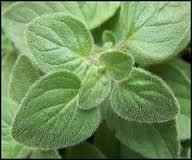
photo of oregano plant
Oregano Plant
by Dr. David Jockers
See all articles by this author

(NaturalNews) Oregano is a wonderful, aromatic herb that is native to the Mediterranean. It is thought to have originated in the mountainous regions of Greece, Turkey and Italy. It was named by the Ancient Greeks "Mountain Joy." Oregano is one of the most powerful healing herbs and natural anti-biotics ever studied.

Oregano has a warming and aromatic flavor to it. It can be very hot and bitter at times when it is picked fresh. The bite usually wanes as it is dried. Oregano became a staple of Italian-American foods. American soldiers who were stationed in Europe during World War II brought oregano back as the "pizza herb." It was soon used in more popularity in pastas, grilled/roasted veggies, meat & fish. It is also popularly used in meat marinates and salad dressings.

Oregano Oil is an extraordinarily powerful natural anti-biotic. Oregano has been found in a recent study to be significantly better than all of the 18 currently used anti-biotics in the treatment of MRSA staph infections. The strong phenol anti-oxidants destroy pathogenic bacteria, viruses and yeasts.

Incredible anti-oxidant capacity
This super herb is very rich in anti-oxidant phytochemical flavonoids and phenolic acids. It is the third highest herb in oxygen radical absorbancy capacity (ORAC) with an impressive score of 200,129. Oregano is one of the world's greatest sources of the powerful phenol component thymol. Thymol is great for improving digestive function as well as destroying harmful microbes.

The USDA ranks oregano's antioxidant capacity anywhere from 3 to 20 times higher than any other herb. Oregano has four times the antioxidant power of blueberries, 12 times that of oranges and 42 times greater than apples.

Oregano oil has been classically used as a disinfectant, an aid for ear, nose, & throat/respiratory infections, candida, and any sort of bacterial or viral conditions. Additionally, it works to suppress inflammatory mediators and cancer cell production. Oregano oil is more potent than the dried herb; however, the dried version still contains many powerful health benefits.

Studies have shown that carvacrol, a phenol anti-oxidant within oregano has powerful anti-inflammatory and anti-microbial activity when applied to food or taken in supplement form. Oregano also contains rosmarinic acid which has very strong cancer fighting properties.

Use dried oregano on vegetables, meat dishes and salads. Oregano oil can be used as an aromatic essential oil and/or as a medicinal. Simply put a dash behind your ear and a dash on your neck. Strong oregano oil may burn a little but will wear down in a few seconds. One could also ingest oregano oil - 1-5 small drops in a glass of water as it is particularly strong.

Oregano essential oil is available from my website at:
https://www.youngliving.org/laurasoils
Click on the Product Line link on the left and search for “Oregano”.

Sources for this article include:
http://www.naturalnews.com/034895_oregano_antioxidants_herbs.html
http://www.naturalnews.com/027333_oregano_parasites.html
http://en.wikipedia.org/wiki/Oregano

About the author:
Dr. David Jockers owns and operates Exodus Health Center in Kennesaw, Ga. He is a Maximized Living doctor. His expertise is in weight loss, customized nutrition & exercise, & structural corrective chiropractic care. For more information go to www.exodushc.com To find a Maximized Living doctor near you go to www.maximizedliving.com Dr. Jockers is also available for long distance phone consultations to help you beat disease and reach your health goals.

Wednesday, March 7, 2012

Coriander Oil Treats Food Poisoning, and Drug-Resistant Infections (MRSA)


Coriander Oil (cilantro) Can Be Used to Treat Food Poisoning and Drug-Resistant Infections (MRSA)     
by Jonathan Benson, staff writer, Natural News

(NaturalNews) Food-borne illness outbreaks and the growing prevalence of antibiotic-resistant "superbugs" are two very serious societal problems for which researchers say they are actively looking for viable solutions. But one such solution found right in nature is coriander oil, which has been found to kill a number of different bacterial strains, as well as aid in digestion and treat the symptoms of food poisoning.

Dr. Fernanda Domingues and her colleagues from the University of Beira Interior in
Portugal tested the effects of coriander oil, an essential oil extracted from the seeds of the coriander plant, also known as cilantro, on twelve different bacterial strains, including Escherichia coli (E. coli), Salmonella enterica, and methicillin-resistant Staphylococcus aureus (MRSA), the infamous hospital superbug.

Published in the Journal of Medical Microbiology, their findings revealed that solutions containing just a 1.6 percent concentration of coriander oil or less were all effective at killing all twelve bacterial strains, to some degree or another. A powerful, natural antibiotic, coriander oil appears to be a promising candidate for new uses not only in food preservation, but also in medicine as a type of natural antibiotic.

"The results indicate that coriander oil damages the membrane surrounding the bacterial cell," said Dr. Domingues about how the essential oil works. "This disrupts the barrier between the cell and its environment and inhibits essential processes including respiration, which ultimately leads to death of the bacterial cell."

Besides its antibacterial effects, coriander oil has a wide range of other therapeutic uses as well, including as an analgesic (pain reliever), anti-rheumatic, antispasmodic, and anti-fungal medicine. Used in many Indian dishes, coriander seeds and oil are also recognized as powerful digestive aids that can mitigate the damage caused by food poisoning, as well as stimulate and revitalize the body (http://www.mountainroseherbs.com/learn/eo/corianderseed.html).

"This research encourages the design of new food additives containing coriander oil that would combat food-borne pathogens and prevent bacterial spoilage," added Domingues. "Coriander oil could also become a natural alternative to common antibiotics. We envisage the use of coriander in clinical drugs in the form of lotions, mouth rinses and even pills; to fight multidrug-resistant bacterial infections that otherwise could not be treated."

To learn more about the amazing health benefits of coriander oil, visit:
http://www.globalhealingcenter.com/benefits-of/cilantro

Sources for this article include:

http://www.sgm.ac.uk/news/releases/JMM.2408.FD.cfm
All content in this article is commentary or opinion and is protected under Free Speech. Truth Publishing LLC takes sole responsibility for all content. Truth Publishing sells no hard products and earns no money from the recommendation of products. NaturalNews.com is presented for educational and commentary purposes only and should not be construed as professional advice from any licensed practitioner. Truth Publishing assumes no responsibility for the use or misuse of this material. For the full terms of usage of this material, visit www.NaturalNews.com/terms.shtml

Friday, February 24, 2012

Sage Improves Memory, Study Shows

Web address:
     http://www.sciencedaily.com/releases/2003/09/
     030901091846.htm

Sage Improves Memory, Study Shows

ScienceDaily (Sep. 1, 2003) — New research has proved that sage can improve memory, confirming centuries-old theories. British scientists have carried out the first clinical trials with healthy, young adults and found that those who had taken sage oil capsules performed significantly better in a word recall test.

The team, from the Medicinal Plant Research Centre (MPRC) at the Universities of Newcastle and Northumbria, have provided scientific evidence for claims dating back centuries.

They studied texts by well-known herbalists such as John Gerard, who wrote about sage in 1597, saying that 'It is singularly good for the head and brain and quickeneth the nerves and memory", and Nicholas Culpeper, whose 1652 text says "It also heals the memory, warming and quickening the senses".

People were known to take sage for memory loss centuries ago and drank teas and tinctures containing extracts of the herb.

The results of the study are published in the current edition of the academic journal Pharmacology, Biochemistry and Behaviour *.

The Newcastle team tested 44 healthy young adults aged between 18 and 37. Some were given capsules containing sage oil and others were given placebos.

The volunteers then took part in a word recall test and tested at intervals to see how many words they could remember. Results showed that those who had taken the sage oil consistently performed better than those who had taken placebos.

Sage is being investigated as a potential treatment for Alzheimer's Disease after earlier research by the MPRC found that it inhibits an enzyme called acetylcholinesterase (AChE) which breaks down the chemical messenger acetylcholine. Alzheimers', the most common form of dementia which affects an estimated 10 million people worldwide, is accompanied by a drop in acetylcholine.

Many of the current drugs, such as donepezil, have unpleasant side effects and doctors are keen to find alternatives. No side-effects were noted in the sage trial.

Further investigation is needed to find out why sage is so effective but researchers think it could be a combination of chemicals in the oil which have an effect on AChE and which give it antioxidant, oestrogenic and anti-inflammatory properties, also considered to be of value in Alzheimer's therapy.

Lead researcher Nicola Tildesley said: "This proves how valuable the work by the old herbalists is, and that they shouldn't just be ignored because they were writing centuries ago.

She added that people who were taking exams should not get too excited by the findings: "Test would need to be carried on people over a longer period of time to prove that sage improves exam performance but we don't have any plans to do this at present.
"However, this research does have serious implications for people suffering from Alzheimer's Disease, as it will inform drug research and development."

The research was funded by Oxford Natural Products. The MPRC is carrying out another clinical trial where sage is being tested on people with Alzheimer's, and results from this are expected shortly.

* Journal ref. Salvia lavandulaefolia (Spanish Sage) enhances memory in healthy, young volunteers, NTJ Tildesley et al, Pharmacology, Biochemistry and Behaviour 75 (2003) 669-674.
Recommend this story on Facebook, Twitter,
and Google +1:

Other bookmarking and sharing tools:
| More

Story Source:
The above story is reprinted from materials provided by University Of Newcastle Upon Tyne.
Note: Materials may be edited for content and length. For further information, please contact the source cited above.


APA

MLA
University Of Newcastle Upon Tyne (2003, September 1). Sage Improves Memory, Study Shows. ScienceDaily. Retrieved February 24, 2012, from http://www.sciencedaily.com­ /releases/2003/09/030901091846.htm
Note: If no author is given, the source is cited instead.
Disclaimer: This article is not intended to provide medical advice, diagnosis or treatment. Views expressed here do not necessarily reflect those of ScienceDaily or its staff.


For more information about essential oils, please go to my website:
www.youngliving.com/laurasoils
 

Sunday, February 19, 2012

Gary Young's Story, Founder of Young Living Essential Oils

I had the opportunity Tuesday night to attend a talk given by the founder of Young Living Essential Oils, Gary Young and his wife Mary.

Gary Young

He told us his incredible story of suffering a near-fatal logging accident in 1973, which resulted in him being in a coma and ending up paralyzed and in a wheelchair – for life, according to his doctors.  This accident — which nearly cost him his life — transformed him both physically and emotionally and would eventually impact the lives of countless people in ways he could have never imagined.

His quest to regain his life eventually led him to discover the potential of a powerful but little-known form of natural medicine — essential oils. Within a very short time, Gary cast off the persistent pain that he had borne for almost 13 years as he began tapping the power of essential oils. By 1986 he was able to run a half-marathon, finishing 60th out of 970 participants.

Today he has amazing strength and stamina, working on his many farms where he grows and harvests the plants that are distilled on site into these pure, pharmaceutical-grade essential oils.  His story and experiences are truly an inspiration to explore these essential oils.  I'm eager to learn as much as I can about them!

If you're interested in them, too, you can find out more at my website:
www.youngliving.com/laurasoils

To Your Health!