from Rosemary Gladstar's book "Medicinal Herbs, A Beginner's Guide"
Recognized as the oldest system of healing on the planet, herbal medicine traces its roots back to the earliest civilizations. Today, herbalism continues to flourish as a people's healing art. Even with the amazing technological advances of conventional (allopathic) medicine, herbalism - the art and science of healing with plants - is still widely popular. And its popularity is gaining, not waning. According to the World Health Organization, 80 percent of the world's population used some form of traditional medicine in 2008, and its rate of affordability, availability, and accessibility is surging.
So it's no wonder you're drawn to these healing plants and curious to learn more about them. But perhaps you're nervous about trying herbal home remedies. What are these herbs? Are they safe? Do they work? Can you grow them at home? Can you make your own remedies? When and how do you use them? How easy is it to get started? These are some of the questions we'll address here.
Botanical Boom
According to the"The Natural Pharmacy", by Schuyler Lininger et al., one out of every three adult Americans uses complementary/alternative medical care. Sales of botanicals have increased more than 300 percent since the 1990s and currently are an $8 billion industry.
Showing posts with label healing properties of plants. Show all posts
Showing posts with label healing properties of plants. Show all posts
Saturday, April 28, 2012

Thursday, April 5, 2012
Oregano Is A Healing Herb And Natural Antibiotic
Oregano is a healing herb and natural anti-biotic
by Dr. David Jockers
See all articles by this author
(NaturalNews) Oregano is a wonderful, aromatic herb that is native to the Mediterranean. It is thought to have originated in the mountainous regions of Greece, Turkey and Italy. It was named by the Ancient Greeks "Mountain Joy." Oregano is one of the most powerful healing herbs and natural anti-biotics ever studied.
Oregano has a warming and aromatic flavor to it. It can be very hot and bitter at times when it is picked fresh. The bite usually wanes as it is dried. Oregano became a staple of Italian-American foods. American soldiers who were stationed in Europe during World War II brought oregano back as the "pizza herb." It was soon used in more popularity in pastas, grilled/roasted veggies, meat & fish. It is also popularly used in meat marinates and salad dressings.
Oregano Oil is an extraordinarily powerful natural anti-biotic. Oregano has been found in a recent study to be significantly better than all of the 18 currently used anti-biotics in the treatment of MRSA staph infections. The strong phenol anti-oxidants destroy pathogenic bacteria, viruses and yeasts.
Incredible anti-oxidant capacity
This super herb is very rich in anti-oxidant phytochemical flavonoids and phenolic acids. It is the third highest herb in oxygen radical absorbancy capacity (ORAC) with an impressive score of 200,129. Oregano is one of the world's greatest sources of the powerful phenol component thymol. Thymol is great for improving digestive function as well as destroying harmful microbes.
The USDA ranks oregano's antioxidant capacity anywhere from 3 to 20 times higher than any other herb. Oregano has four times the antioxidant power of blueberries, 12 times that of oranges and 42 times greater than apples.
Oregano oil has been classically used as a disinfectant, an aid for ear, nose, & throat/respiratory infections, candida, and any sort of bacterial or viral conditions. Additionally, it works to suppress inflammatory mediators and cancer cell production. Oregano oil is more potent than the dried herb; however, the dried version still contains many powerful health benefits.
Studies have shown that carvacrol, a phenol anti-oxidant within oregano has powerful anti-inflammatory and anti-microbial activity when applied to food or taken in supplement form. Oregano also contains rosmarinic acid which has very strong cancer fighting properties.
Use dried oregano on vegetables, meat dishes and salads. Oregano oil can be used as an aromatic essential oil and/or as a medicinal. Simply put a dash behind your ear and a dash on your neck. Strong oregano oil may burn a little but will wear down in a few seconds. One could also ingest oregano oil - 1-5 small drops in a glass of water as it is particularly strong.
Oregano essential oil is available from my website at:
https://www.youngliving.org/laurasoils
Click on the Product Line link on the left and search for “Oregano”.
Sources for this article include:
http://www.naturalnews.com/034895_oregano_antioxidants_herbs.html
http://www.naturalnews.com/027333_oregano_parasites.html
http://en.wikipedia.org/wiki/Oregano
About the author:
Dr. David Jockers owns and operates Exodus Health Center in Kennesaw, Ga. He is a Maximized Living doctor. His expertise is in weight loss, customized nutrition & exercise, & structural corrective chiropractic care. For more information go to www.exodushc.com To find a Maximized Living doctor near you go to www.maximizedliving.com Dr. Jockers is also available for long distance phone consultations to help you beat disease and reach your health goals.
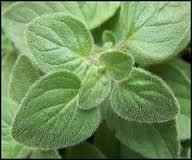
- Oregano Plant
See all articles by this author
(NaturalNews) Oregano is a wonderful, aromatic herb that is native to the Mediterranean. It is thought to have originated in the mountainous regions of Greece, Turkey and Italy. It was named by the Ancient Greeks "Mountain Joy." Oregano is one of the most powerful healing herbs and natural anti-biotics ever studied.
Oregano has a warming and aromatic flavor to it. It can be very hot and bitter at times when it is picked fresh. The bite usually wanes as it is dried. Oregano became a staple of Italian-American foods. American soldiers who were stationed in Europe during World War II brought oregano back as the "pizza herb." It was soon used in more popularity in pastas, grilled/roasted veggies, meat & fish. It is also popularly used in meat marinates and salad dressings.
Oregano Oil is an extraordinarily powerful natural anti-biotic. Oregano has been found in a recent study to be significantly better than all of the 18 currently used anti-biotics in the treatment of MRSA staph infections. The strong phenol anti-oxidants destroy pathogenic bacteria, viruses and yeasts.
Incredible anti-oxidant capacity
This super herb is very rich in anti-oxidant phytochemical flavonoids and phenolic acids. It is the third highest herb in oxygen radical absorbancy capacity (ORAC) with an impressive score of 200,129. Oregano is one of the world's greatest sources of the powerful phenol component thymol. Thymol is great for improving digestive function as well as destroying harmful microbes.
The USDA ranks oregano's antioxidant capacity anywhere from 3 to 20 times higher than any other herb. Oregano has four times the antioxidant power of blueberries, 12 times that of oranges and 42 times greater than apples.
Oregano oil has been classically used as a disinfectant, an aid for ear, nose, & throat/respiratory infections, candida, and any sort of bacterial or viral conditions. Additionally, it works to suppress inflammatory mediators and cancer cell production. Oregano oil is more potent than the dried herb; however, the dried version still contains many powerful health benefits.
Studies have shown that carvacrol, a phenol anti-oxidant within oregano has powerful anti-inflammatory and anti-microbial activity when applied to food or taken in supplement form. Oregano also contains rosmarinic acid which has very strong cancer fighting properties.
Use dried oregano on vegetables, meat dishes and salads. Oregano oil can be used as an aromatic essential oil and/or as a medicinal. Simply put a dash behind your ear and a dash on your neck. Strong oregano oil may burn a little but will wear down in a few seconds. One could also ingest oregano oil - 1-5 small drops in a glass of water as it is particularly strong.
Oregano essential oil is available from my website at:
https://www.youngliving.org/laurasoils
Click on the Product Line link on the left and search for “Oregano”.
Sources for this article include:
http://www.naturalnews.com/034895_oregano_antioxidants_herbs.html
http://www.naturalnews.com/027333_oregano_parasites.html
http://en.wikipedia.org/wiki/Oregano
About the author:
Dr. David Jockers owns and operates Exodus Health Center in Kennesaw, Ga. He is a Maximized Living doctor. His expertise is in weight loss, customized nutrition & exercise, & structural corrective chiropractic care. For more information go to www.exodushc.com To find a Maximized Living doctor near you go to www.maximizedliving.com Dr. Jockers is also available for long distance phone consultations to help you beat disease and reach your health goals.
Wednesday, April 4, 2012
The Health Benefits of Alkaline Water
I just recently discovered how important pH balance is for the body. As it turns out, the body should be more alkaline than acidic. Here is some information on the subject.
Acid-Alkaline Balance
Proper health starts with the correct acid-alkaline balance in your body. The pH level (acid - alkaline measurement) of our internal fluids affects every cell in our bodies. Extended acid imbalances of any kind can overwhelm your body, and lead to health complications.
Just as the body regulates its temperature in a rigid manner, so will it manage to preserve a very narrow pH range - especially in the blood. As a matter of fact, the body will go to such great lengths to maintain a blood pH of 7.365 that it will even create stress on other tissues, body systems, and organs to do so. Chronic acidity will interrupt all cellular activities and functions - it interferes with life itself.
When the pH of the body gets out of balance (too acidic), we may experience low energy, fatigue, excess weight, poor digestion, aches and pains, and even more serious disorders.
The cycle of acidity begins primarily as a result of three things:
1. Ingesting acids. Eating too many acidifying foods like processed sugar, meats, dairy, coffee, alcohol, etc., create an acid ash in the body. These acids can overload the body’s ability to neutralize them.
2. Creation of acids. Pathogens and microforms (such as bacteria) create acidifying toxins in the body. As the body becomes more and more acidic, bad bacteria, yeasts and other microforms proliferate in the body. Since these organisms are living, they eat as well as create resulting toxins. These toxins are often very acidifying.
3. Improper elimination of acids. Not all acids are the same; some are weak and some are strong. Weak acids like citric acid are much easier to neutralize than strong acids like uric acid (which causes gout). The body uses many systems in order to buffer acids including breath, mineral reserves, and fat. When the body’s buffering systems become compromised, excess acids build up.
The process of reestablishing acid-alkaline balance begins with proper diet and nutrition. This includes eating alkalizing foods (vegetables, low sugar fruits, etc.), super hydration (drinking plenty of alkaline water that is ionic and structured), and proper supplementation.
Bottled water you can buy that is more alkaline are Penta and Essentia.
To find a store near you that sells Penta, click on the link below:
http://www.pentawater.com/_pw/store.php?sub=5&item=1
http://www.pentawater.com/_pw/store.php?sub=5&item=1
The link to the Essentia Water website is below. They don’t have a store locator, but it can usually be found at health food stores, or you can order directly from the website and have it shipped to you:
http://www.essentiawater.com/index.html
http://www.essentiawater.com/index.html
You can also purchase filters so you can make your own filtered, ionized, alkaline water at home directly from your faucet at:
https://www.water-revolution.com/selfhealwater
https://www.water-revolution.com/selfhealwater
Wednesday, March 7, 2012
Coriander Oil Treats Food Poisoning, and Drug-Resistant Infections (MRSA)
Coriander Oil (cilantro) Can Be Used to Treat Food Poisoning and Drug-Resistant Infections (MRSA)
by Jonathan Benson, staff writer, Natural News
(NaturalNews) Food-borne illness outbreaks and the growing prevalence of antibiotic-resistant "superbugs" are two very serious societal problems for which researchers say they are actively looking for viable solutions. But one such solution found right in nature is coriander oil, which has been found to kill a number of different bacterial strains, as well as aid in digestion and treat the symptoms of food poisoning.
Dr. Fernanda Domingues and her colleagues from the University of Beira Interior in Portugal tested the effects of coriander oil, an essential oil extracted from the seeds of the coriander plant, also known as cilantro, on twelve different bacterial strains, including Escherichia coli (E. coli), Salmonella enterica, and methicillin-resistant Staphylococcus aureus (MRSA), the infamous hospital superbug.
Published in the Journal of Medical Microbiology, their findings revealed that solutions containing just a 1.6 percent concentration of coriander oil or less were all effective at killing all twelve bacterial strains, to some degree or another. A powerful, natural antibiotic, coriander oil appears to be a promising candidate for new uses not only in food preservation, but also in medicine as a type of natural antibiotic.
"The results indicate that coriander oil damages the membrane surrounding the bacterial cell," said Dr. Domingues about how the essential oil works. "This disrupts the barrier between the cell and its environment and inhibits essential processes including respiration, which ultimately leads to death of the bacterial cell."
Besides its antibacterial effects, coriander oil has a wide range of other therapeutic uses as well, including as an analgesic (pain reliever), anti-rheumatic, antispasmodic, and anti-fungal medicine. Used in many Indian dishes, coriander seeds and oil are also recognized as powerful digestive aids that can mitigate the damage caused by food poisoning, as well as stimulate and revitalize the body (http://www.mountainroseherbs.com/learn/eo/corianderseed.html).
"This research encourages the design of new food additives containing coriander oil that would combat food-borne pathogens and prevent bacterial spoilage," added Domingues. "Coriander oil could also become a natural alternative to common antibiotics. We envisage the use of coriander in clinical drugs in the form of lotions, mouth rinses and even pills; to fight multidrug-resistant bacterial infections that otherwise could not be treated."
To learn more about the amazing health benefits of coriander oil, visit:
http://www.globalhealingcenter.com/benefits-of/cilantro
Sources for this article include:
http://www.sgm.ac.uk/news/releases/JMM.2408.FD.cfm
(NaturalNews) Food-borne illness outbreaks and the growing prevalence of antibiotic-resistant "superbugs" are two very serious societal problems for which researchers say they are actively looking for viable solutions. But one such solution found right in nature is coriander oil, which has been found to kill a number of different bacterial strains, as well as aid in digestion and treat the symptoms of food poisoning.
Dr. Fernanda Domingues and her colleagues from the University of Beira Interior in Portugal tested the effects of coriander oil, an essential oil extracted from the seeds of the coriander plant, also known as cilantro, on twelve different bacterial strains, including Escherichia coli (E. coli), Salmonella enterica, and methicillin-resistant Staphylococcus aureus (MRSA), the infamous hospital superbug.
Published in the Journal of Medical Microbiology, their findings revealed that solutions containing just a 1.6 percent concentration of coriander oil or less were all effective at killing all twelve bacterial strains, to some degree or another. A powerful, natural antibiotic, coriander oil appears to be a promising candidate for new uses not only in food preservation, but also in medicine as a type of natural antibiotic.
"The results indicate that coriander oil damages the membrane surrounding the bacterial cell," said Dr. Domingues about how the essential oil works. "This disrupts the barrier between the cell and its environment and inhibits essential processes including respiration, which ultimately leads to death of the bacterial cell."
Besides its antibacterial effects, coriander oil has a wide range of other therapeutic uses as well, including as an analgesic (pain reliever), anti-rheumatic, antispasmodic, and anti-fungal medicine. Used in many Indian dishes, coriander seeds and oil are also recognized as powerful digestive aids that can mitigate the damage caused by food poisoning, as well as stimulate and revitalize the body (http://www.mountainroseherbs.com/learn/eo/corianderseed.html).
"This research encourages the design of new food additives containing coriander oil that would combat food-borne pathogens and prevent bacterial spoilage," added Domingues. "Coriander oil could also become a natural alternative to common antibiotics. We envisage the use of coriander in clinical drugs in the form of lotions, mouth rinses and even pills; to fight multidrug-resistant bacterial infections that otherwise could not be treated."
To learn more about the amazing health benefits of coriander oil, visit:
http://www.globalhealingcenter.com/benefits-of/cilantro
Sources for this article include:
http://www.sgm.ac.uk/news/releases/JMM.2408.FD.cfm
All content in this article is commentary or opinion and is protected under Free Speech. Truth Publishing LLC takes sole responsibility for all content. Truth Publishing sells no hard products and earns no money from the recommendation of products. NaturalNews.com is presented for educational and commentary purposes only and should not be construed as professional advice from any licensed practitioner. Truth Publishing assumes no responsibility for the use or misuse of this material. For the full terms of usage of this material, visit www.NaturalNews.com/terms.shtml
Friday, February 24, 2012
Sage Improves Memory, Study Shows
 | Web address: http://www.sciencedaily.com/releases/2003/09/ 030901091846.htm |
Sage Improves Memory, Study Shows
ScienceDaily (Sep. 1, 2003) — New research has proved that sage can improve memory, confirming centuries-old theories. British scientists have carried out the first clinical trials with healthy, young adults and found that those who had taken sage oil capsules performed significantly better in a word recall test.
They studied texts by well-known herbalists such as John Gerard, who wrote about sage in 1597, saying that 'It is singularly good for the head and brain and quickeneth the nerves and memory", and Nicholas Culpeper, whose 1652 text says "It also heals the memory, warming and quickening the senses".
People were known to take sage for memory loss centuries ago and drank teas and tinctures containing extracts of the herb.
The results of the study are published in the current edition of the academic journal Pharmacology, Biochemistry and Behaviour *.
The Newcastle team tested 44 healthy young adults aged between 18 and 37. Some were given capsules containing sage oil and others were given placebos.
The volunteers then took part in a word recall test and tested at intervals to see how many words they could remember. Results showed that those who had taken the sage oil consistently performed better than those who had taken placebos.
Sage is being investigated as a potential treatment for Alzheimer's Disease after earlier research by the MPRC found that it inhibits an enzyme called acetylcholinesterase (AChE) which breaks down the chemical messenger acetylcholine. Alzheimers', the most common form of dementia which affects an estimated 10 million people worldwide, is accompanied by a drop in acetylcholine.
Many of the current drugs, such as donepezil, have unpleasant side effects and doctors are keen to find alternatives. No side-effects were noted in the sage trial.
Further investigation is needed to find out why sage is so effective but researchers think it could be a combination of chemicals in the oil which have an effect on AChE and which give it antioxidant, oestrogenic and anti-inflammatory properties, also considered to be of value in Alzheimer's therapy.
Lead researcher Nicola Tildesley said: "This proves how valuable the work by the old herbalists is, and that they shouldn't just be ignored because they were writing centuries ago.
She added that people who were taking exams should not get too excited by the findings: "Test would need to be carried on people over a longer period of time to prove that sage improves exam performance but we don't have any plans to do this at present.
"However, this research does have serious implications for people suffering from Alzheimer's Disease, as it will inform drug research and development."
The research was funded by Oxford Natural Products. The MPRC is carrying out another clinical trial where sage is being tested on people with Alzheimer's, and results from this are expected shortly.
* Journal ref. Salvia lavandulaefolia (Spanish Sage) enhances memory in healthy, young volunteers, NTJ Tildesley et al, Pharmacology, Biochemistry and Behaviour 75 (2003) 669-674.
Recommend this story on Facebook, Twitter,
and Google +1:
Other bookmarking and sharing tools:
Story Source:
The above story is reprinted from materials provided by University Of Newcastle Upon Tyne.
Note: Materials may be edited for content and length. For further information, please contact the source cited above.
Note: If no author is given, the source is cited instead.
Disclaimer: This article is not intended to provide medical advice, diagnosis or treatment. Views expressed here do not necessarily reflect those of ScienceDaily or its staff.For more information about essential oils, please go to my website:
www.youngliving.com/laurasoils
Tuesday, December 20, 2011
Mainstream science validates healing properties of plants
Mainstream science validates healing properties of plants
by S. L. Baker, features writer(NaturalNews) Are plant-based therapies, including potential natural cures for cancer, mostly pie-in-the-sky wishful thinking promoted by "health nuts" and old hippies? Not at all -- and the evidence for the validity of the healing power of plants is coming from none other than mainstream science.
In fact, the National Institutes of Health (NIH) has finally accepted the reality and importance of the therapeutic properties in plants and funded a $6 million initiative for an international team of scientists to study how plants produce a rich diversity of chemical compounds, many of which are medicinally important. The results of that research so far, which includes the genetic blueprint of medicinal plants and what beneficial properties are encoded by the genes that have been identified, are now being officially released for the first time to the public.
"Most people are familiar with the natural products we derive from plants," Joe Chappell, professor of plant biochemistry at the University of Kentucky, said in a statement to the media. "These include the delightful fragrances that go into perfumes, soaps, household cleaning products and more. Just as the sensory properties of plants interact with and trigger your sense of smell, the natural compounds of plants can target and cause a reaction within your body."
The compilation of information about the natural potentially healing compounds of plants was developed by the Medicinal Plant Consortium (MPC), headed by Dr. Chappell who worked with Dean DellaPenna, professor of biochemistry at Michigan State University, and Sarah O'Connor, professor of chemistry at Massachusetts Institute of Technology and now at the John Innes Centre in Norwich, England. The MPC project also included participants from Michigan State, Iowa State University, the University of Mississippi, Purdue University, Texas A&M University, MIT, and the John Innes Centre in the UK.
Finding out exactly what medicinal plants contain
This research team brought to the project a broad spectrum of expertise from plant biology, systematics, analytical chemistry, genetics, molecular biology, and drug development from natural products. During their two-year project, the scientists collected data to help them understand just how plants make chemicals, a process called biosynthesis.To this end, the researchers investigated the genes and chemical profiles of 14 plants known to contain compounds with biological activity which are associated with medicinal properties. For example, the foxglove plant is used to make the cardiac muscle stimulant digoxin, and the periwinkle plant is a source for the widely used chemotherapy drugs vincristine and vinblastine. In a press statement, the researchers noted that these and many other medicinal plants, including ginseng, are often found in household gardens and flower boxes. They could be vast cornucopias of compounds ripe for discovering and developing into widespread therapeutic applications.
"The current understanding of molecules and genes involved in the formation of beneficial compounds is very incomplete," said Dr. O'Connor, who is also a lecturer in chemical sciences at University of East Anglia. "However, the ability to conduct genome-wide studies of model plant species has resulted in an explosive increase in our knowledge of and capacity to understand how genes control biological processes and chemical composition."
So does this mean the scientists are advocating using medicinal plants to treat diseases? Not exactly. They appear to be primarily interested in helping Big Pharma translate the information they've come up with into more money-making drugs. "Our major goal in this project has been to capture the genetic blueprints of medicinal plants for the advancement of drug discovery and development," said Dr. Chappell, project coordinator for the MPC, adding that the research gives medicinal plants "tremendous pharmaceutical potential."
However, with the information the scientists have discovered now being placed in the public domain, it may well be a rich resource not just for Big Pharma but for physicians and other scientists seeking natural plant-based therapies for diseases.
For more information:
http://medicinalplantgenomics.msu.edu
http://metnetdb.org/mpmr_public/
http://uic.edu/pharmacy/MedPlTransc...
Subscribe to:
Posts (Atom)